Last week, I wrote and published a post called “Cool Moon 50-Miler: I Hallucinated, I Ached, And I Threw Up Blood. But I Finished.” But that’s not… Read more “You Can Do It, Even if You Think You Can’t. (And Not for the Stereotypical Reasons You Might Be Thinking About.)”
Category: Uncategorized
Cool Moon 50-Miler: I Hallucinated, I Ached, And I Threw Up Blood. But I Finished.
This post, just like the run could have, can go two ways; either it’s going to be a quick business or a long journey with more twists… Read more “Cool Moon 50-Miler: I Hallucinated, I Ached, And I Threw Up Blood. But I Finished.”
Alone in Wonderland | Book Recommendation
Christine Reed Alone in Wonderland reads like a personal journey, more so than the physical. And even though no descriptions can come even remotely close to capturing… Read more “Alone in Wonderland | Book Recommendation”
Kīlauea Iki | One Photo
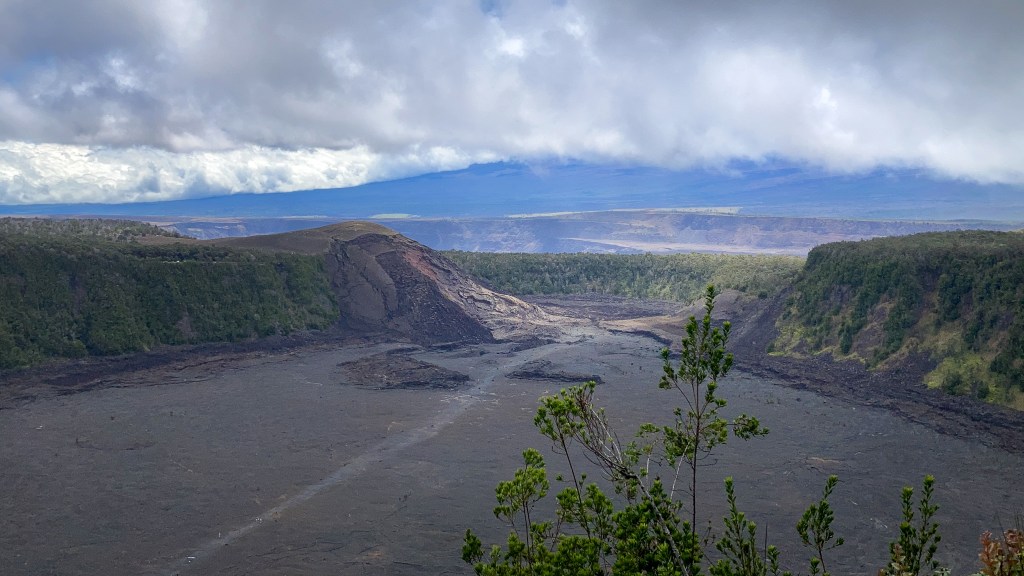
I’ve been to Hawai’i before. I’ve seen Kīlauea before. But even the most basic knowledge of geology and, therefore, a slightly deeper understanding of how this place came to be, made this visit to the crater so much more fascinating.
Right next to Halema‘uma‘u crater, the star of the most recent eruption, there’s the smaller Kīlauea Iki crater that last erupted in 1959. Before it was a flat plain of volcanic rock, Kīlauea Iki was a V-shaped crater filled with trees. Then, suddenly — boom. A long fissure opened in one violent event and started to spew lava. Several other vents opened and within 24 hours, joined their forces in one event.
Fountains of lava were visible from afar, the tallest one reaching 1,900 feet (source).
A new cinder cone, Puʻu Puaʻi, was formed, and when the surface of the lava lake that formed in the crater submerged the fissure, the fountains stopped. Eventually, the lake drained back into the vents, leaving behind its crust. Signs of the drainage can be beautifully seen all around the crater’s edges in the slabs of rock that lay on the sloping walls.
We hiked through the crater, guided by the ahu, or cairns — trail markers built from stacked rock. For the first half (okay, maybe only a quarter) of the hike, I managed to stay on or near the trail like any other normal person. (You’re allowed to go off-trail in the crater, as the surface is very durable, and not at all delicate like many other places.)
“Why is it orange?” I was asked by our group when we stopped near Puʻu Puaʻi displaying a big red-colored scar on its side.
“Oxidization,” I answered, and then the excitement of understanding overpowered me and I ended up running all around the crater, looking at features that wouldn’t make any sense and wouldn’t mean anything to me only a year ago. After all, what’s there to see besides a flat plain of black rock and a few mounds of more black rock?
A lot. I found a crack in the floor that was going to turn into a slab dipping under the “surface” in a few hundred years, a steam vent, a piece of a broken slab that displayed beautiful layers in which you could see how the surface of the lava lake cooled down, turning into rock,… I found a lot.
And it all meant something thanks to knowledge. In fact, it was beyond fascinating thanks to knowledge. And I only wish I knew even more, then the place would probably blow my mind even more.
Goodbyes
It seems that giving goodbye is something of a theme this past week. My dog of 13 years passed away last Tuesday, right before I headed out… Read more “Goodbyes”
takayna | What If Running Could Save A Rainforest?
Patagonia has some really good short films and documentaries, there’s no arguing that. But last week I happened upon one that, for some reason, had been elusive to me up until that point but which I consider one of my favourite ones now. (Ouch, this was a super hard thing to say — nearly all of Patagonia’s short documentaries are my favourite ones!)
And because I’m publishing this from an airport, which means that in a few minutes, I’ll be on an airplane, re-watching this documentary, and because I genuinely think this short documentary is as heart-breaking as it is beautiful, and as important as it is, perhaps, unwanted, I thought the best course of action would be to share it with you all.
We all have probably heard about deforestation and realize that it poses a certain amount of threat to our future and the future of the planet. But how often do we hear about how bad it really gets, or about the people who are putting their own bodies on the line against heavy machinery to save the lungs of the planet and the homes of millions of species?
“I’ve felt Country talk freely to you and then run back to the same place months later to a silent and sterile wreck of splinters and dirt. This is a fundamental fight. The disease of man chasing money is real and it’s an epidemic… We fight on.”
Stills Hunter
What is being done? What can we do? And how is one runner helping save the Tarkine forest?
Patagonia answered this and more in takayna | What If Running Could Save a Rainforest.
That One Idiotic Friend We All Need
“Because your phone might die, write my number on your arm. You might lose a piece of paper, but you’re not going to lose your arm… most… Read more “That One Idiotic Friend We All Need”
Point Reyes, Be Sure to Wear Flowers in Your Hair
Point Reyes is an amazing place with its geological past and future, Tule Elk, endemic to California, nesting Sowy Plowers, and Elephant Seals. And yet, it still brings more with its wide variety of plants that bloom in all the colours of a rainbow all throughout the year.
I’ve photographed quite a few of these in the years I spent hiking in Point Reyes and would like to share a few of them with you today, in all their majestic beauty. I shall even try to correctly identify them. (Please don’t take these identifications at face value. I’m not that good with plants. There’s a non-negligible chance I might be wrong.)
I will keep trying to improve my identification skills and update this post if/as it needs be.
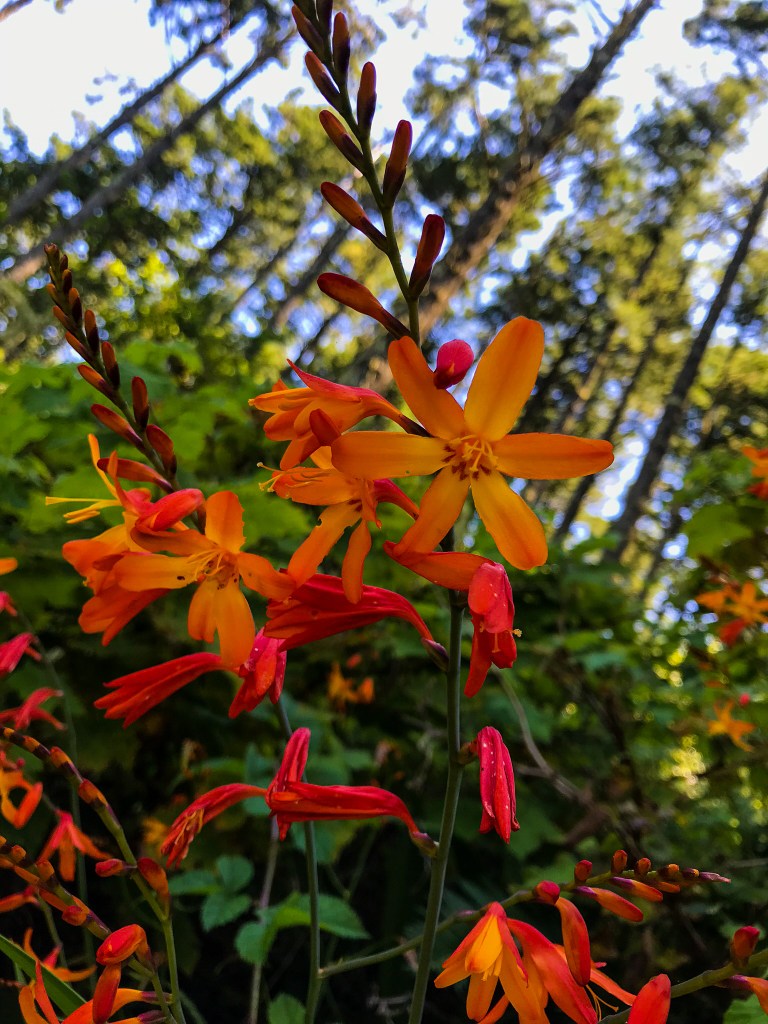
Montbretia
Observed: Jul 14, 2019 · 12:28 PM PDT
Location: Sky Trail (Lat: 38.027046 Lon: -122.826271)
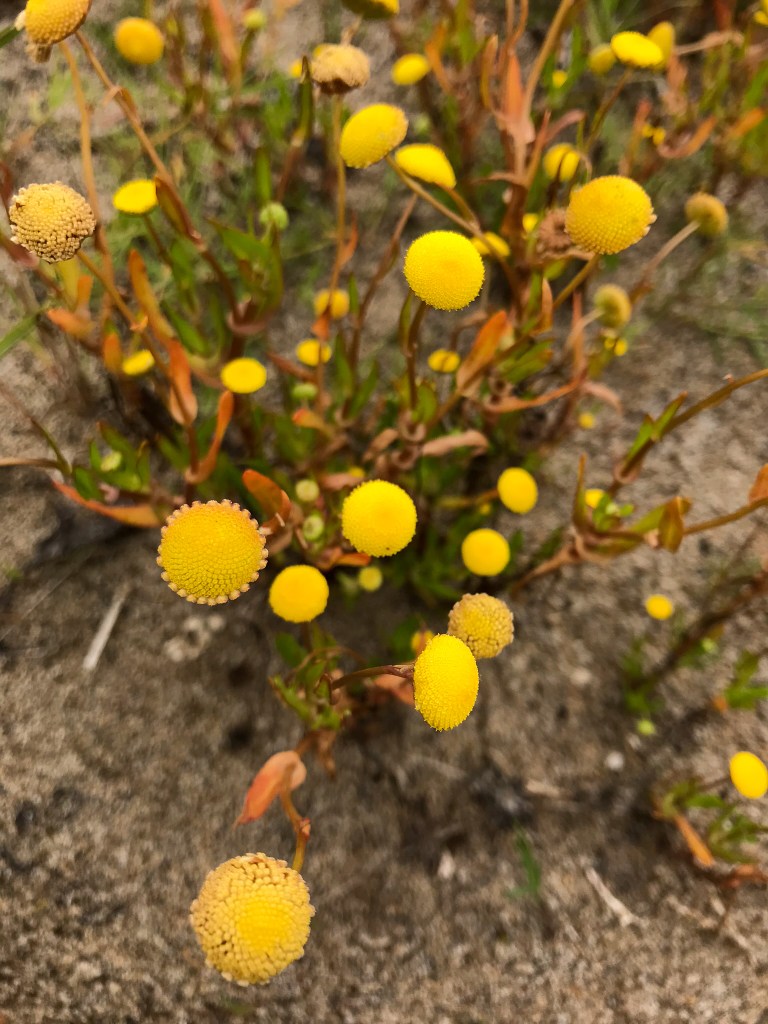
Brass Buttons
Observed: Jul 13, 2019 · 4:01 PM PDT
Location: Abbotts Lagoon (Lat: 38.118782 Lon: -122.953308)
Pine
(Don’t know which species exactly)
Observed: Jul 14, 2019 · 12:29 PM PDT
Location: Sky Trail (Lat: 38.027046 Lon: -122.826271)
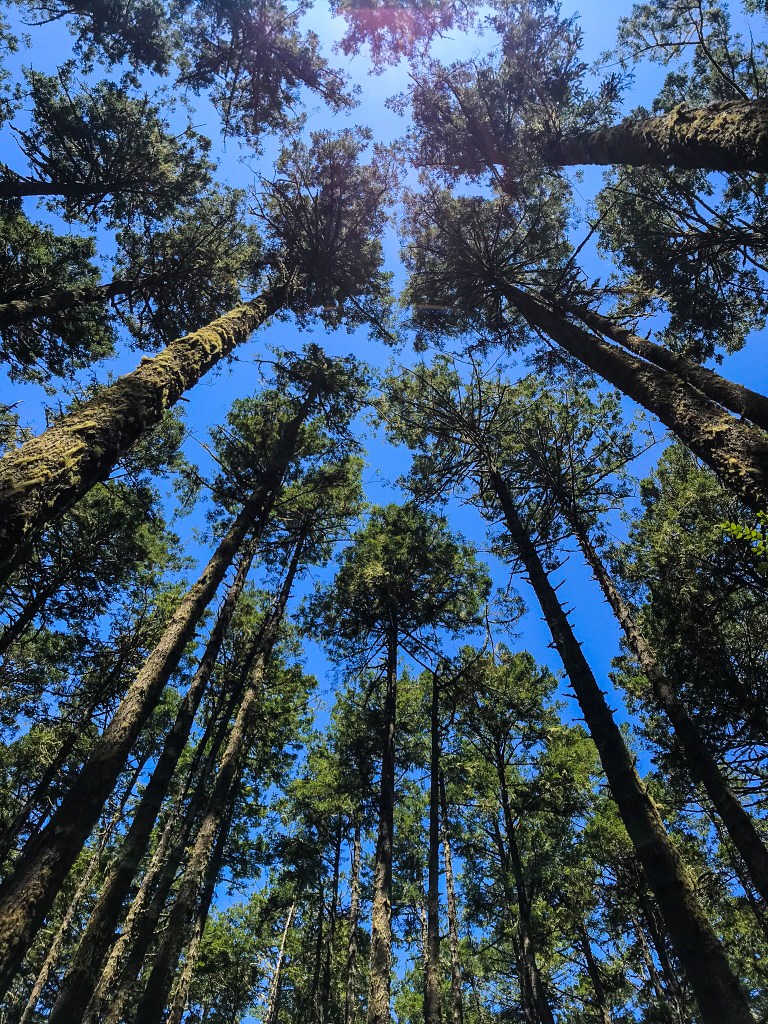
California Poppy
Observed: Jul 6, 2019 · 12:00 PM PDT
Location: Tomales Point Trail (Lat: 38.236282 Lon: -122.990906)

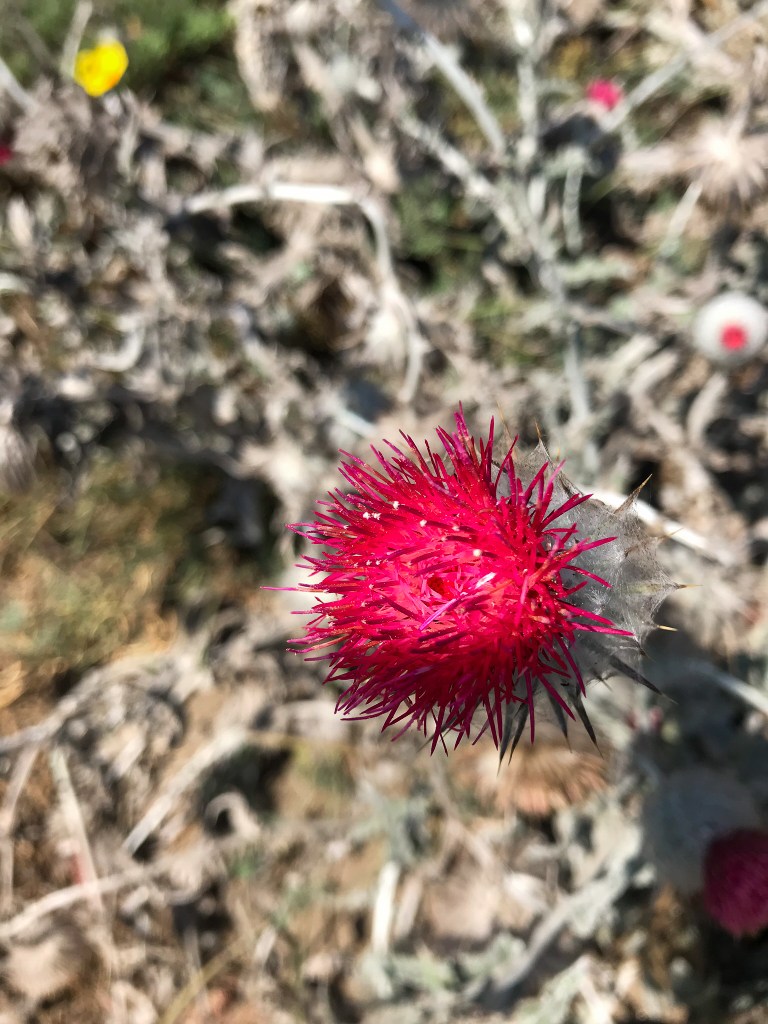
Cobwebby Thistle
Observed: Jul 6, 2019 · 11:42 AM PDT
Location: Tomales Point Trail (Lat: 38.230461Lon: -122.986198)
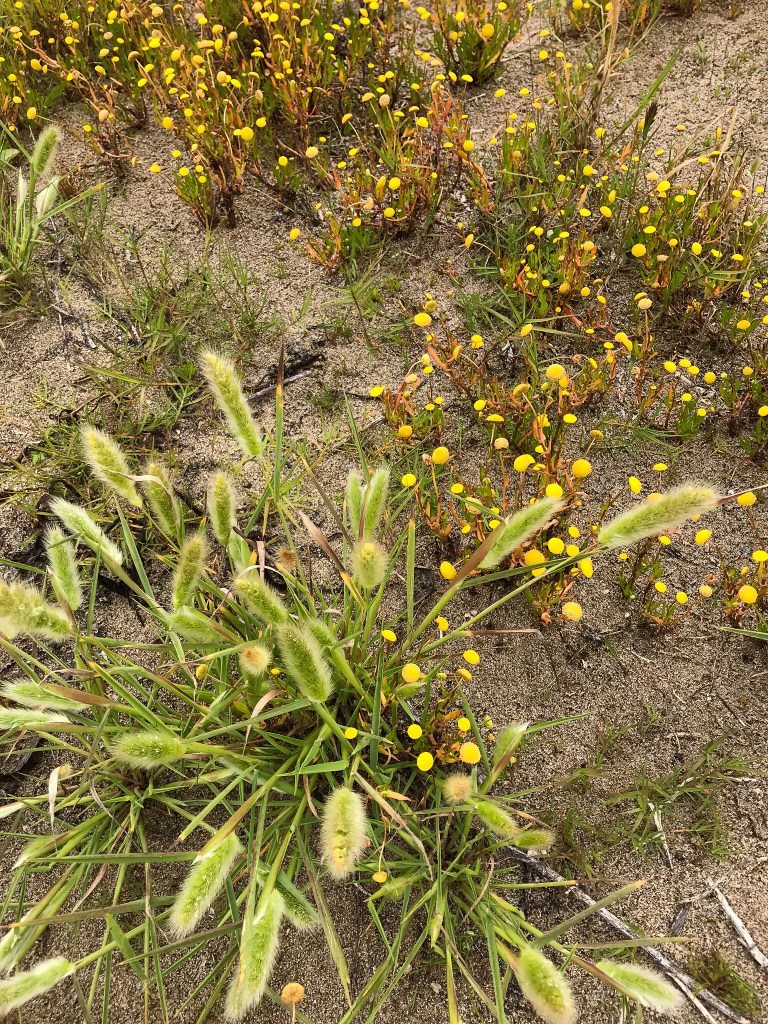
Rabbitfoot Grass
Observed: Jul 13, 2019 · 4:01 PM PDT
Location Abbotts Lagoon (Lat: 38.118782 Lon: -122.953308)
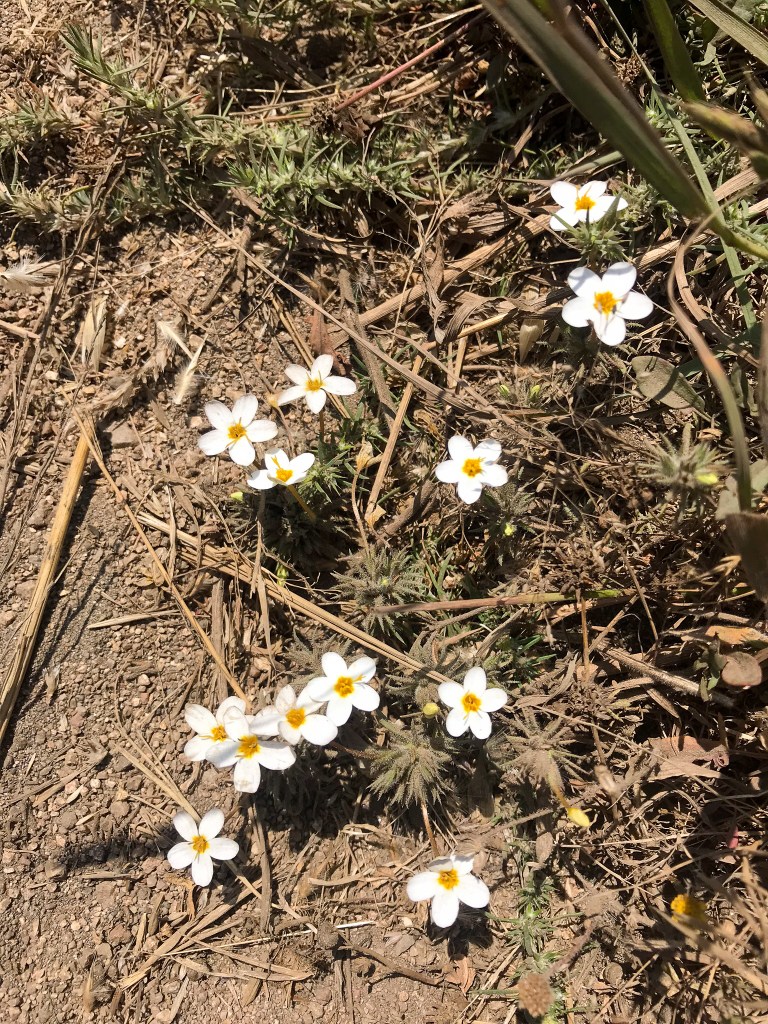
Variable Linanthus
Observed: Jul 6, 2019 · 11:02 AM PDT
Location: Tomales Point Trail (Lat: 38.216686 Lon: -122.975685)
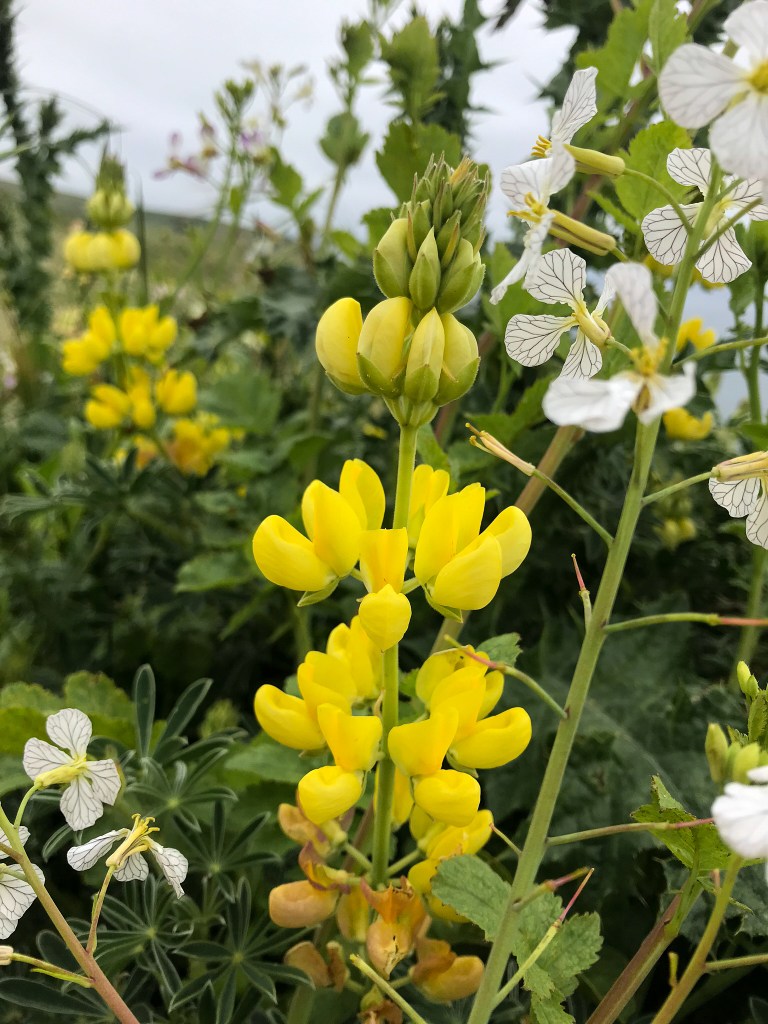
Coastal Bush Lupine
Observed: May 11, 2019 · 3:43 PM PDT
Location: Tomales Point Trail (Lat: 38.194775 Lon: -122.963013)
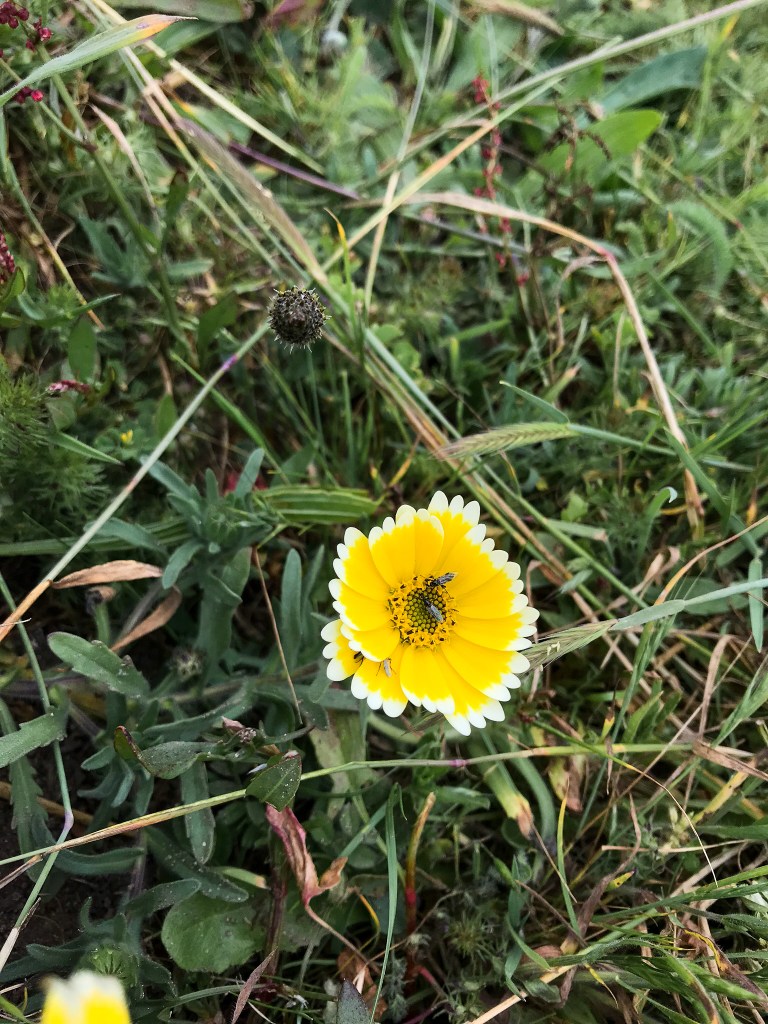
Tidy Tips
Observed: May 11, 2019 · 3:37 PM PDT
Location: Tomales Point Trail (Lat: 38.197056 Lon: -122.963539)
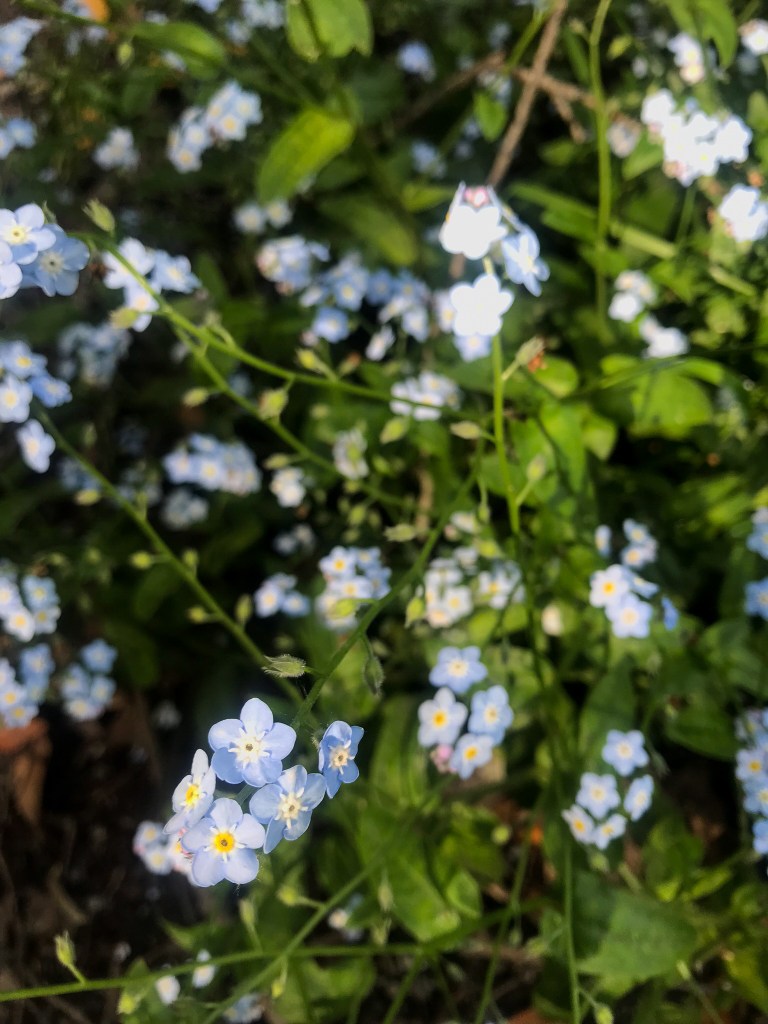
Forget-Me-Not
(Don’t know which species exactly.)
Observed: Apr 14, 2019 · 3:07 PM PDT
Location: Earthquake Trail (Lat: 38.041569 Lon: -122.797531)
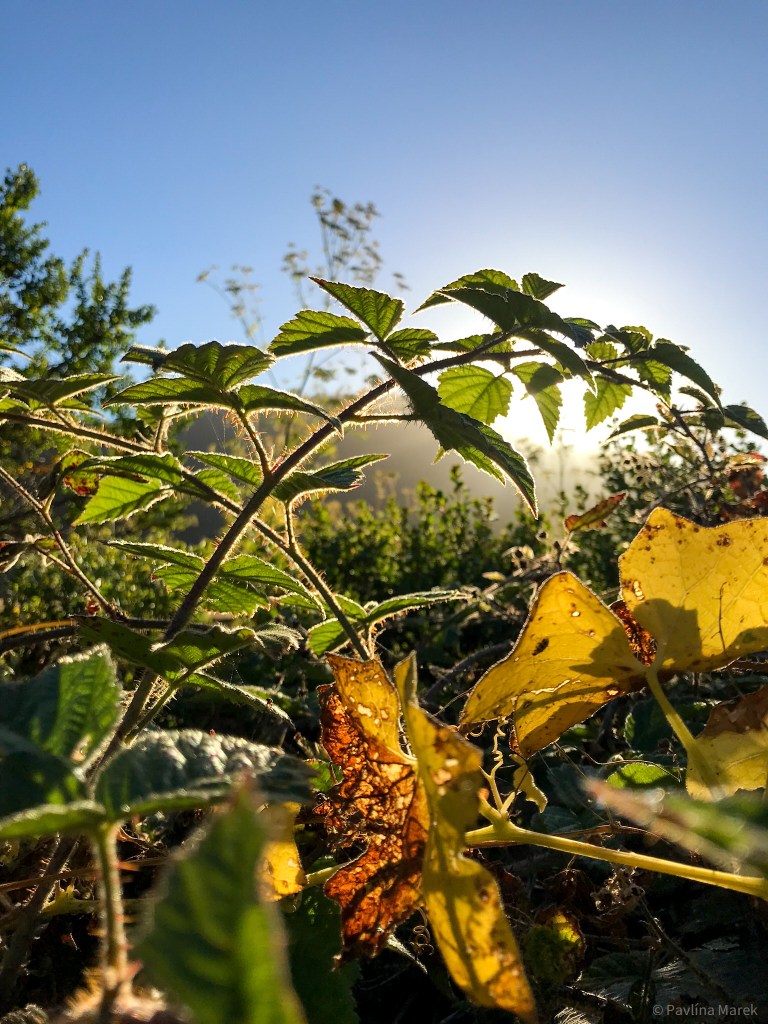
No Idea.
Please help me identify this one. I know it’s not the best photo for identification but wanted to share anyway because I really like it. 🙂
Location: UC Berkeley Point Reyes Field Station Research Institute
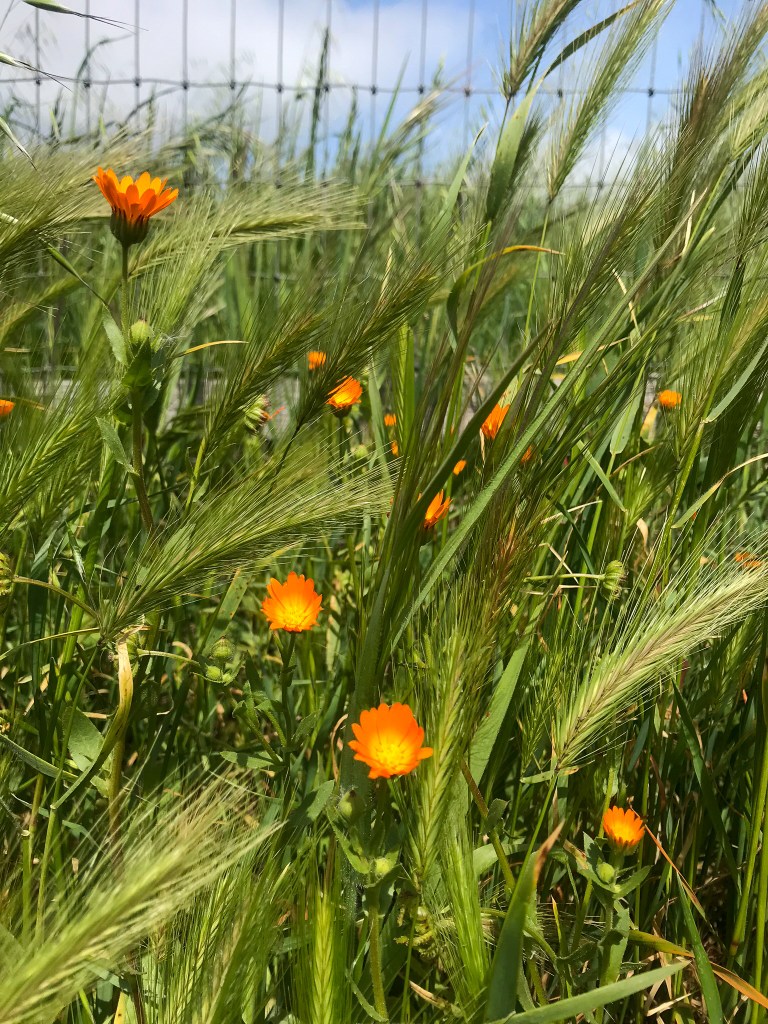
Marigold
This is a guess. In fact, I have nearly no supporting evidence. Feel free to help me identify it in the comments 🙂
Observed: Apr 14, 2019 · 2:34 PM PDT
Location: Point Reyes Station (Lat: 38.068233 Lon: -122.804779)
Some Exciting Personal News :)
Hello, friends! Summer is officially upon us and together with it comes a lot of goodness, though sometimes wrapped in a heatwave. But what can we do,… Read more “Some Exciting Personal News :)”
A Day in My Life as a Trail Patrol Volunteer
I’ve been volunteering for the National Park Service in Point Reyes for three years now, though one of them probably doesn’t count, since all volunteer activities there… Read more “A Day in My Life as a Trail Patrol Volunteer”
 Hit the Road with Me